
Bioclimatic architecture aims for comfort through design: orientation, cross-ventilation, solar protection, well-suited materials and solar energy. In a tropical climate, it sharply reduces the need for air conditioning while raising the standard of a home.
Contents
Building at the premium end under the tropical sun is not about stacking up air conditioners: it is about designing intelligently. Comfort, restraint and elegance begin with simple, rigorous and proven bioclimatic principles.
Comfort before machinery
A well-designed building stays pleasant without overworking the air conditioning. It all begins with siting, orientation, natural ventilation and solar protection. The goal: to lower the perceived indoor temperature by several degrees through the architecture itself, before an air conditioner is even switched on. It is more comfortable, more economical and more sustainable.
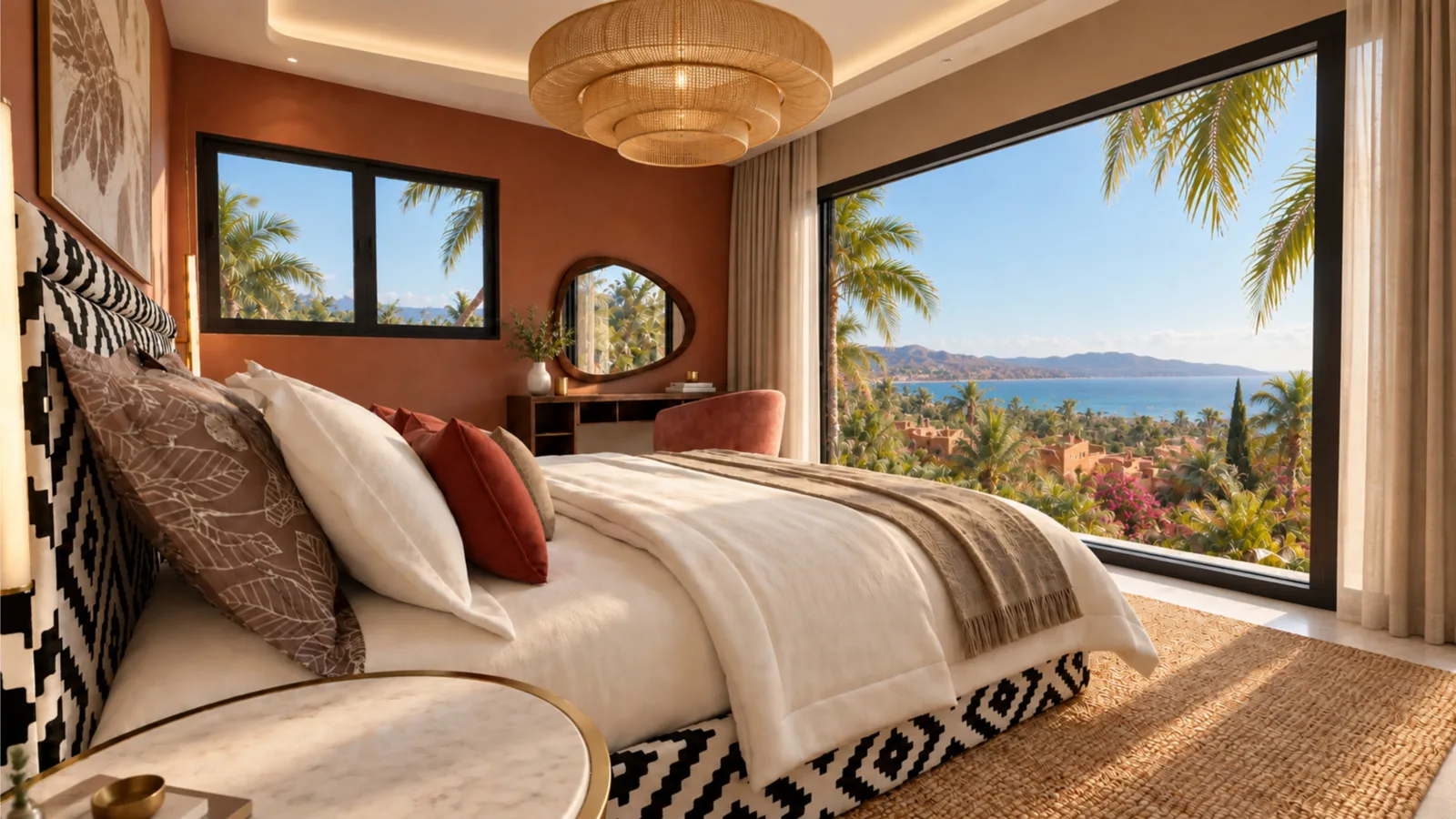
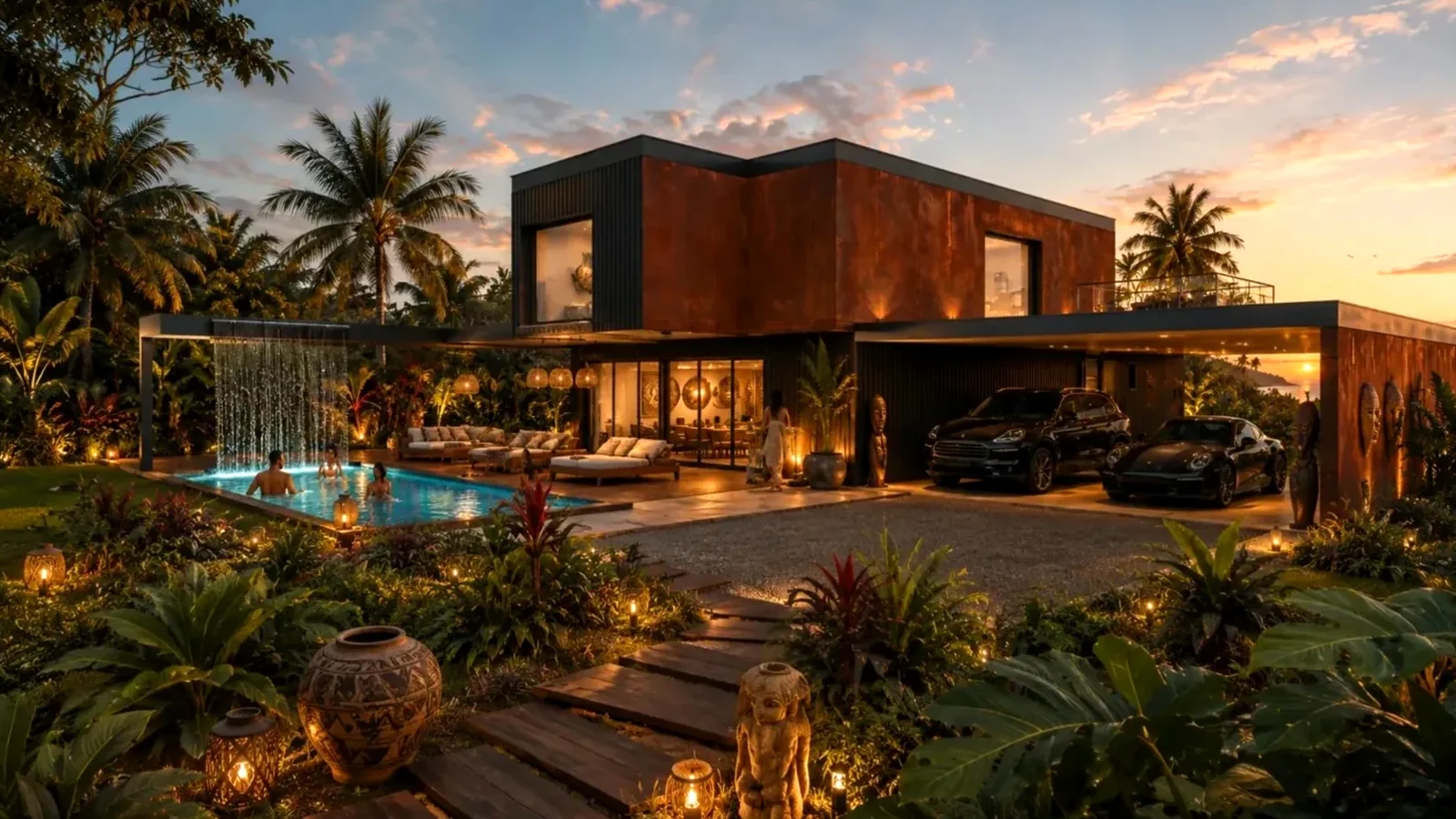
Cross-ventilation and solar protection
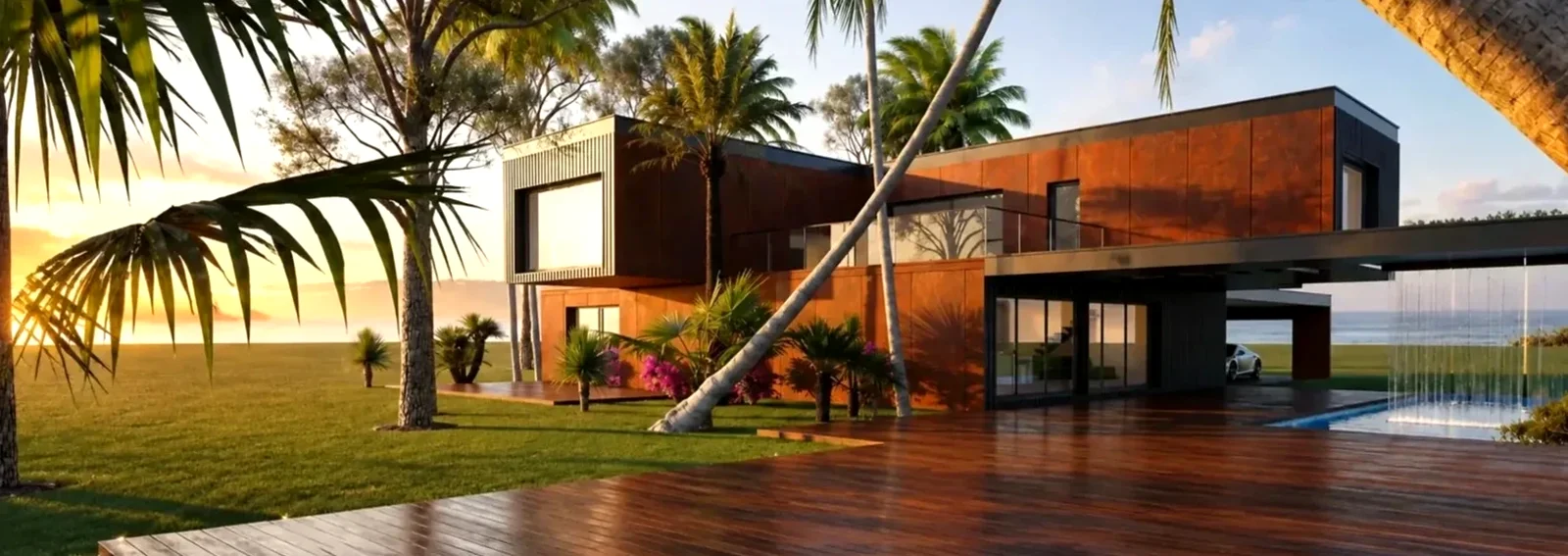
Two levers do most of the work. Cross-ventilation — openings designed to create airflow — removes heat and refreshes the air. Solar protection — generous roof overhangs, timber brise-soleil, façades shielded from direct radiation — stops heat from getting in. Together, they transform everyday comfort.
The measures that matter
- Orient the building according to the sun's path and the prevailing winds.
- Shade the openings: canopies, bioclimatic pergolas, adjustable brise-soleil.
- Ventilate naturally, with cross-flow airpaths and generous ceiling height.
- Insulate the roof and exposed walls to limit unwanted heat build-up.
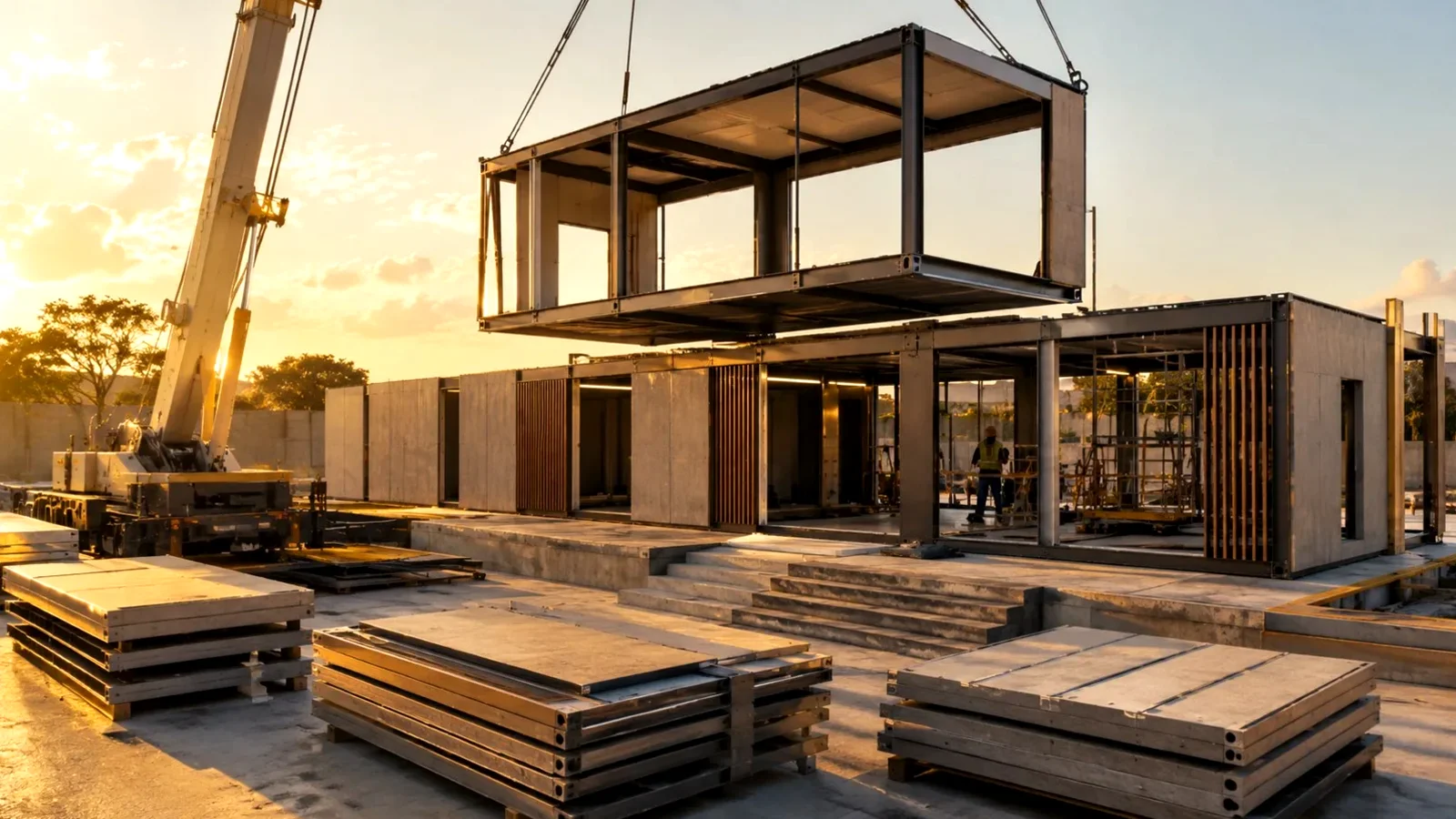
The building envelope and materials
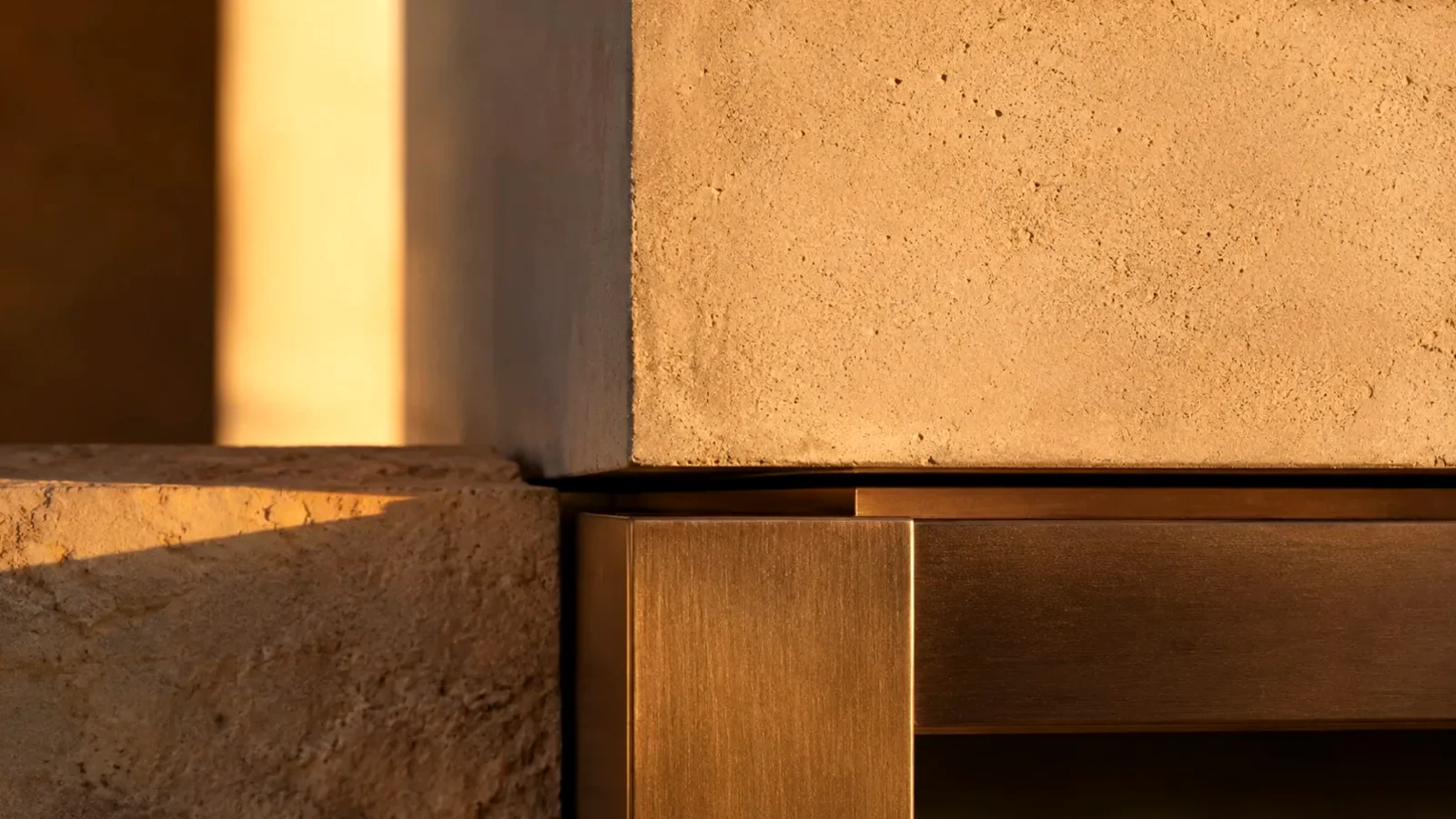
High-performance insulation, controlled thermal mass, noble and durable materials: natural timber, mineral concrete, solar-control glass. The envelope plays a central role in both performance and aesthetics. At SteelNest, “discreet luxury” is as evident in the materials as in the comfort — it is a signature, not an extra.
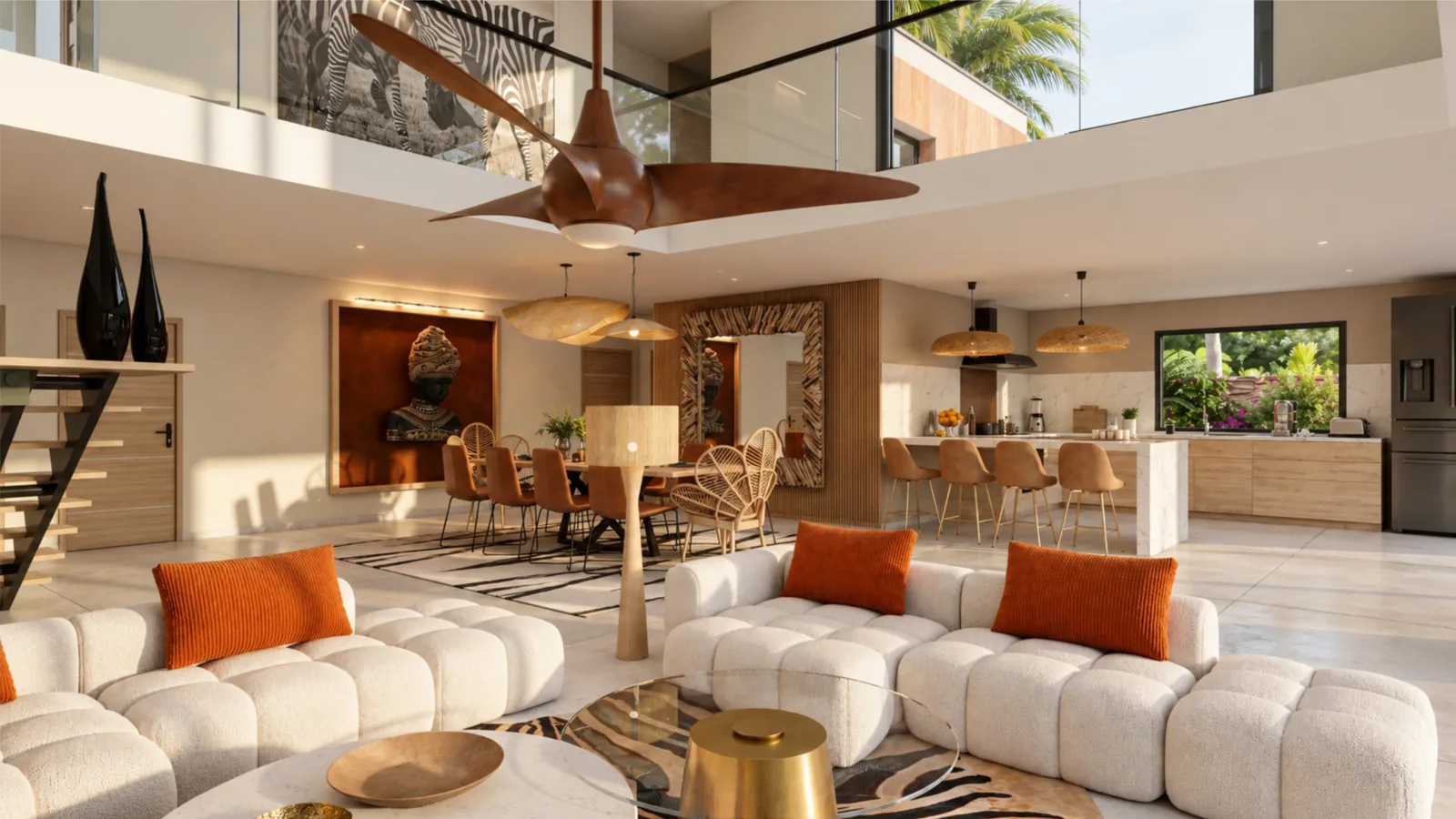
Water, energy and autonomy
A sustainable home optimises its resources: solar self-consumption for electricity and domestic hot water, water-saving devices and intelligent management of equipment. The result is greater autonomy, resilience and lower running costs — decisive advantages on a continent where energy carries a particular cost and value.
Sustainability as the signature of exceptional homes
At SteelNest, sustainability is not a constraint but an aesthetic. A home that protects against the climate, consumes less and ages well is, by nature, more desirable. This meeting of performance and elegance defines our signature — and it is found in the first villa.
Test your knowledge
One minute to check the key points of this article.
Question 1 / 3
Where does bioclimatic design start?
Comfort comes first from the architecture: siting, orientation, natural ventilation and solar protection. Air conditioning only tops it up.
Question 2 / 3
Which two levers do most of the work in a tropical climate?
Openings create air flows that remove heat; roof overhangs and sunshades stop it from getting in.
Question 3 / 3
Does a bioclimatic approach lower a villa's standing?
At SteelNest, sustainability is an aesthetic: a home that shields from the climate and ages well is more desirable.
Frequently asked questions
Can you do without air conditioning entirely in West Africa?
Rarely 100%, but bioclimatic design greatly reduces the need for it. The aim is to make the building comfortable through its architecture, with air conditioning serving only as a back-up.
Which materials should be preferred for sustainable housing in a tropical climate?
Noble, well-suited materials: natural timber, mineral concrete and solar-control glass, combined with high-performance insulation and carefully designed solar protection.
Is solar power relevant for a premium villa?
Photovoltaic self-consumption and solar hot water improve autonomy and reduce running costs, while adding value to the property.
Does bioclimatic design mean less comfort or less prestige?
Quite the opposite. Thermal comfort, controlled light and durable materials raise the standard of a home. Sustainability becomes an argument for desirability.