
Modular steel construction means manufacturing structural modules in a factory, then assembling them on site. It delivers shorter timelines, consistent quality and controlled costs — without compromising on premium architecture suited to the West African climate.
Contents
Housing a rapidly growing urban population quickly, well and sustainably is one of West Africa's great challenges. Modular steel construction offers an answer that is industrial, fast and premium all at once — and redefines what an exceptional home can be on the continent.
The housing shortfall: a growth challenge
West African cities — Dakar, Abidjan, Accra, Lomé — are urbanising rapidly. Demand for quality housing is growing faster than supply, while traditional methods remain dependent on long timelines, variable labour and uneven quality. To scale up, building more is not enough: we must build differently, moving from a craft-based approach to an industrial one.
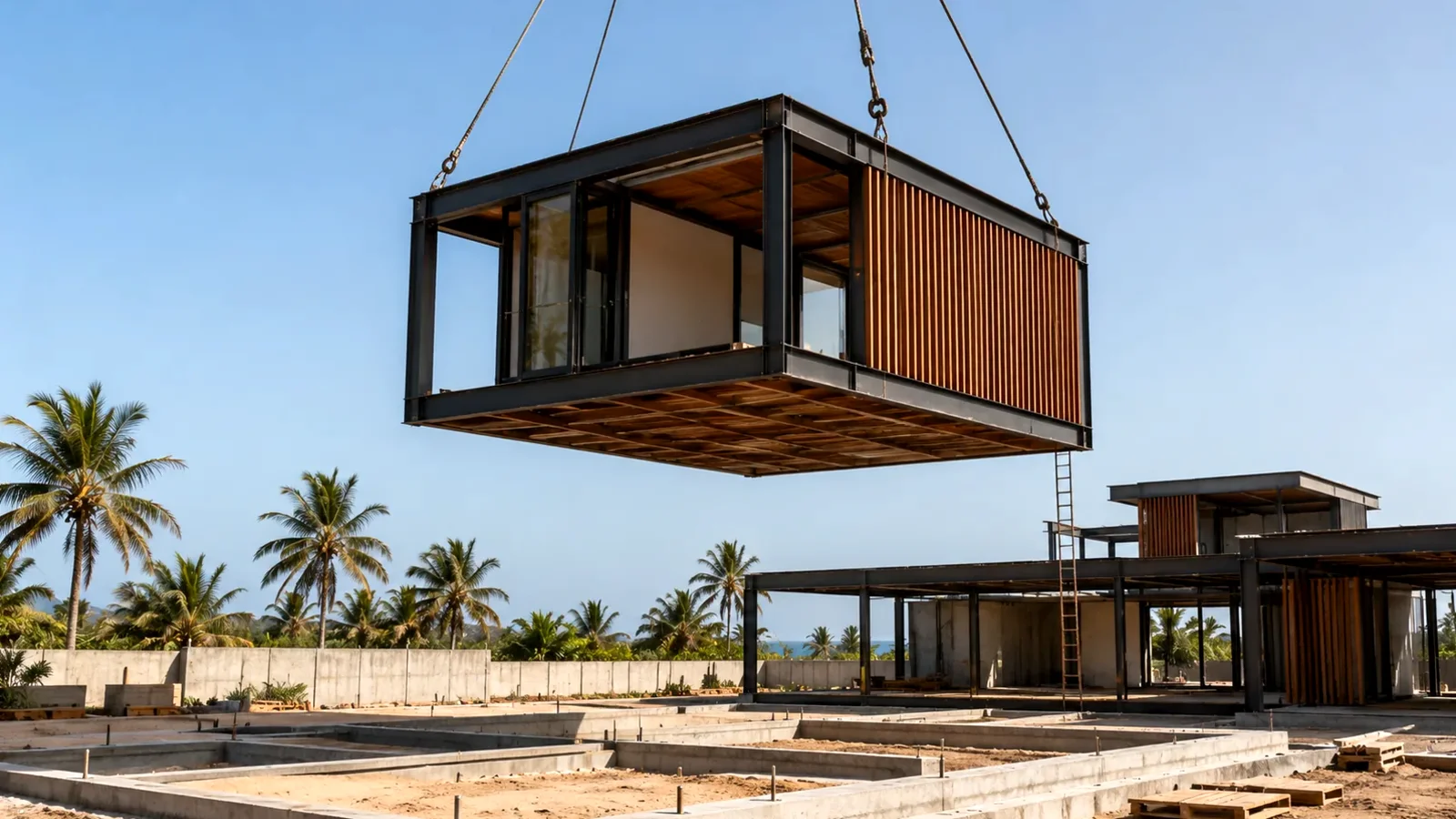
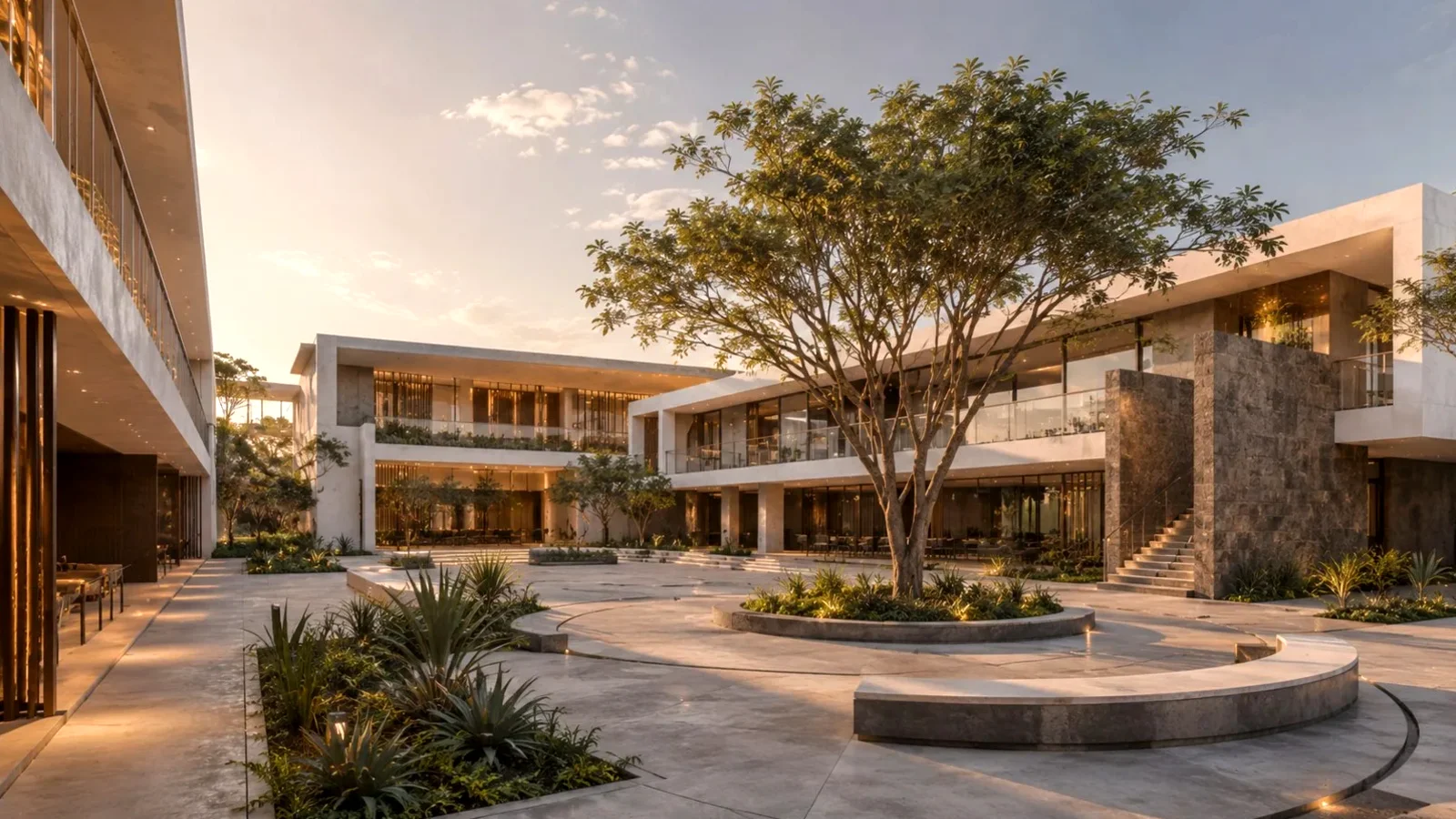
What is modular steel construction?
The principle is simple; the execution is demanding. Structural steel modules are designed and manufactured in a workshop, then assembled on site. Most of the building (structure, insulation, services, part of the finishes) is completed in the factory under controlled conditions, before being carefully installed and connected.
One method, four advantages
- Superior quality — workshop control replaces the uncertainties of the building site: high standards, tight tolerances, consistent finishes.
- Controlled timelines — factory production runs in parallel with foundation work, which shortens the schedule.
- Lower costs — standardisation and industrialisation reduce waste and secure budgets.
- Clean, safe sites — less disruption, less waste, fewer risks on site.
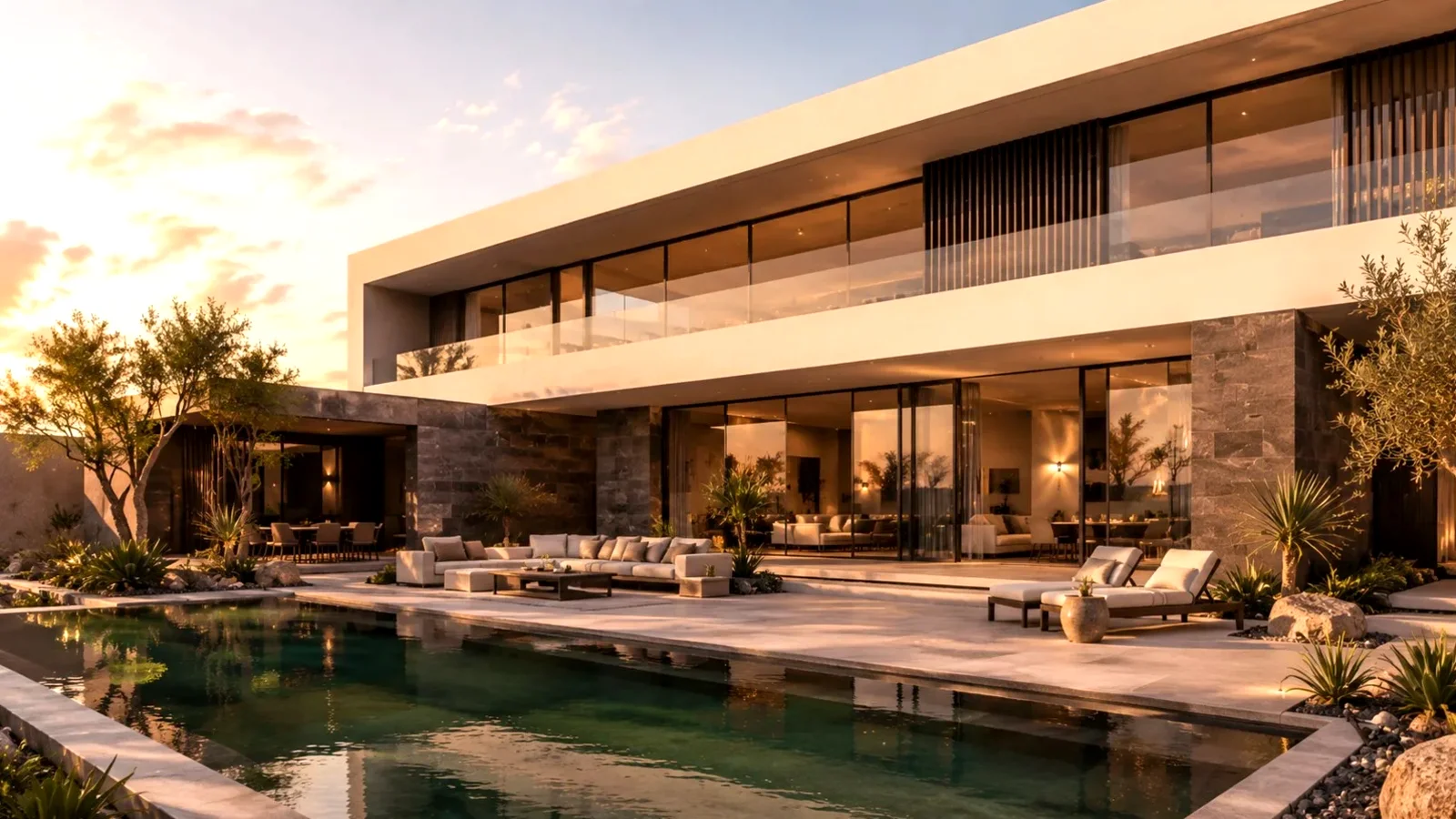
A material designed for the coastal climate
In a humid tropical zone, a material only makes sense if it is protected. Anti-corrosion treatments, rigorous detailing, bolted connections and protective coatings: every module is designed to last in salt-laden and/or humid air. Properly executed, a steel structure offers high longevity and robustness — and great architectural freedom.
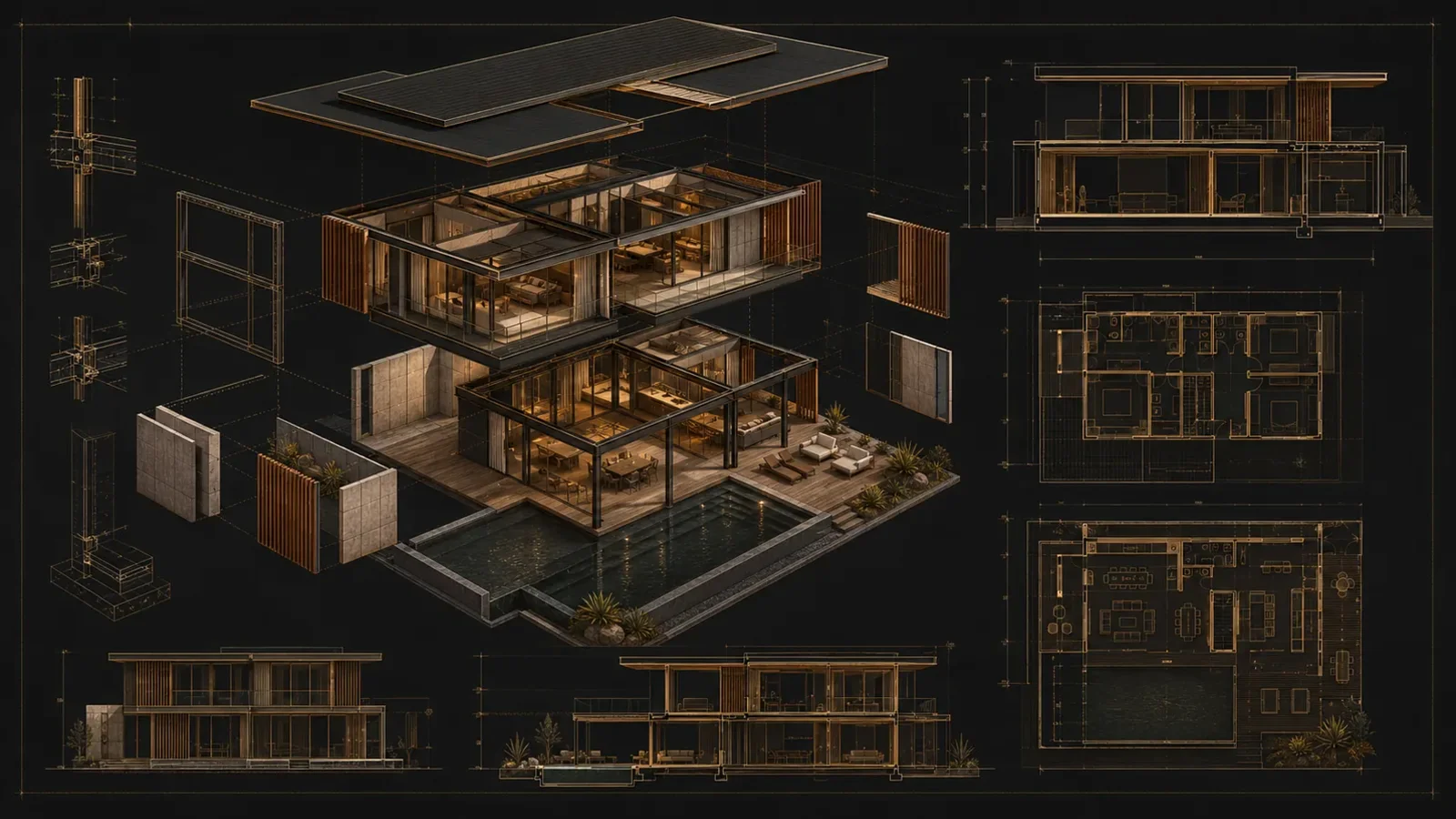
The SteelNest approach: industrialising without lowering standards
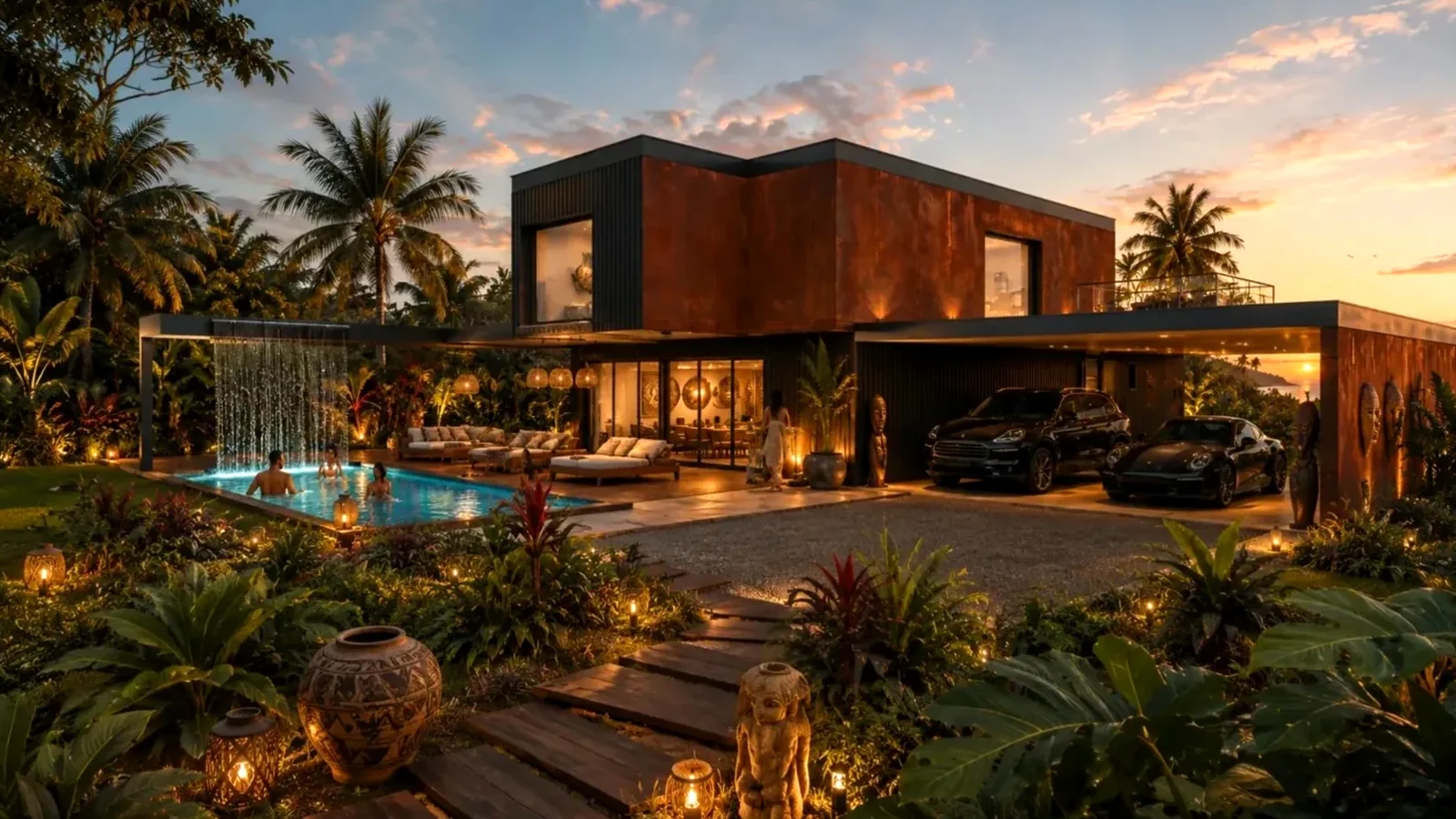
SteelNest industrialises this method while retaining a premium architectural signature. Modularity, prefabrication, digital modelling (BIM) and a library of standardised modules make it possible to build faster, better and at scale — from the premium first villa to collective housing programmes, and on to commercial buildings and public facilities. Our building system is designed with specialist engineering firms (structure, thermal & fluids, acoustics). For small, repeatable units (offices, studios, lodges), also read our guide to container construction in Senegal.
Modular steel construction is a path to excellence — industrial, demanding, high-quality and innovative — for the African housing of tomorrow. It is the conviction on which our entire model rests, and one we set out in detail in our Vision 2035.
Test your knowledge
One minute to check the key points of this article.
Question 1 / 3
Where is most of a steel modular building made?
Structure, insulation, services and part of the finishes are made in the workshop, under controlled conditions.
Question 2 / 3
Why does modular construction shorten timelines?
Two worksites move forward at once: the factory builds while the land is prepared.
Question 3 / 3
What does a steel structure need to last in a coastal climate?
Anti-corrosion protection, careful detailing and the right connections ensure long service life, even by the sea.
Frequently asked questions
Is modular steel construction faster than traditional construction?
The modules are manufactured in a factory while foundation work proceeds on site. This parallel working, combined with workshop quality control, shortens timelines compared with a conventional building site.
Does the material withstand a humid tropical climate?
Provided it is properly treated and designed, the material performs perfectly. Anti-corrosion protection, careful attention to detailing and the choice of connections ensure high longevity, including by the sea.