
A high-end modular steel villa is generally built in 4 to 8 months, compared with 12 to 24 months for an equivalent traditional build. The reason: the modules are fabricated in the workshop while the foundations progress on site — the schedule is compressed, with no compromise on quality.
Contents
“How long will it take?” — it is the first question in any property project. In Dakar, where demand for quality housing is growing fast, construction time is decisive. Modular steel construction radically changes the equation: it turns a long, uncertain building site into a fast, controlled industrial process.
Modular villa timeline, phase by phase
Unlike a traditional building site, where everything follows in strict sequence, modular construction moves several workstreams forward in parallel. Here are the main phases of a SteelNest project:
- Study & design (2 to 6 weeks) — plans, digital model (BIM), choice of modules and finishes.
- Workshop fabrication (in parallel with the foundations) — steel structure, insulation, services and some of the finishes completed under controlled conditions.
- On-site foundations (in parallel with fabrication) — preparation of the plot and the supports while the modules are being produced.
- Installation & assembly (a few days to a few weeks) — the modules are transported to site, then carefully positioned and connected.
- Finishing & handover (4 to 8 weeks) — floor and wall finishes, joinery, fit-out and checks before the keys are handed over.
Why it is faster than traditional construction
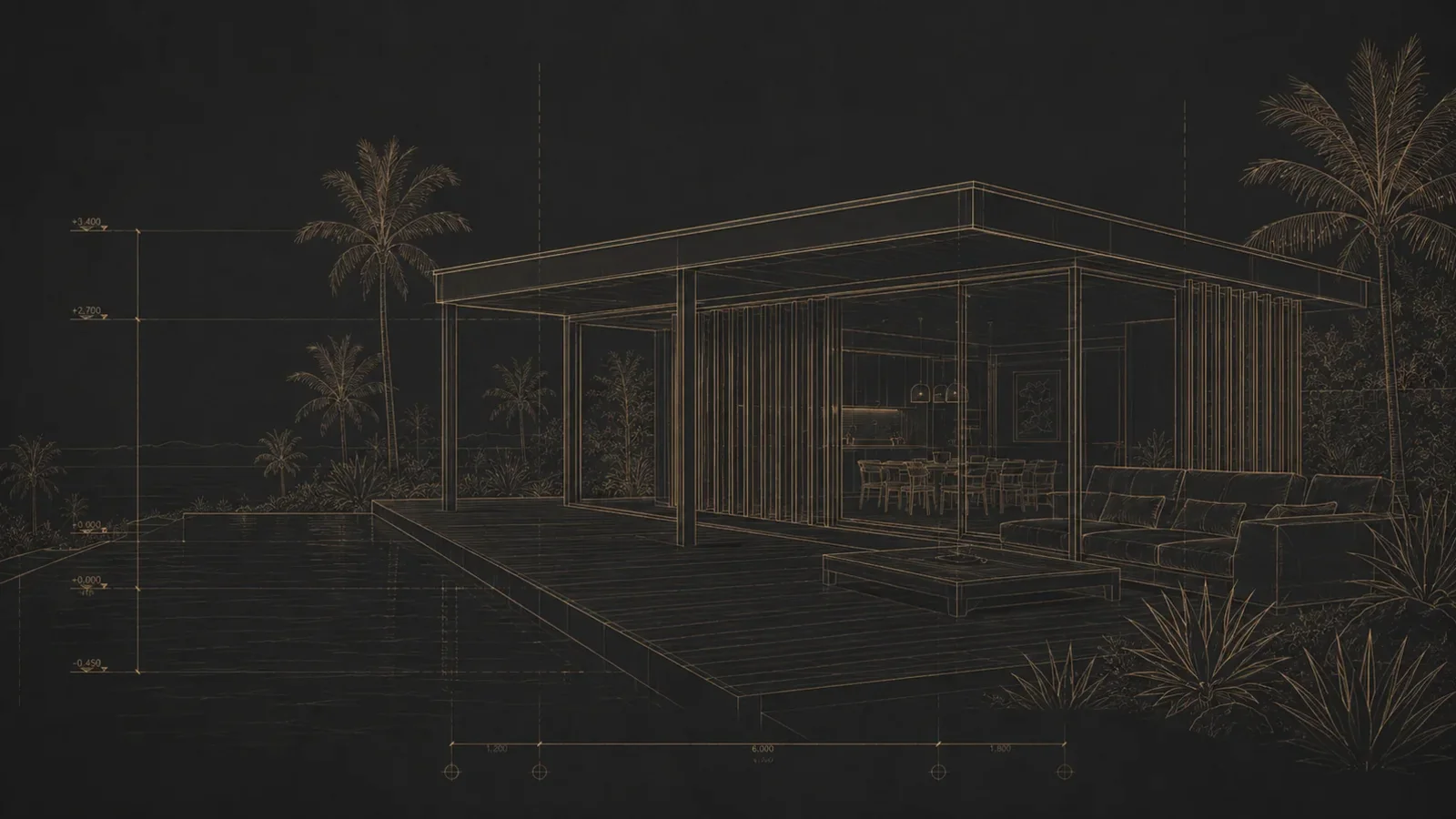
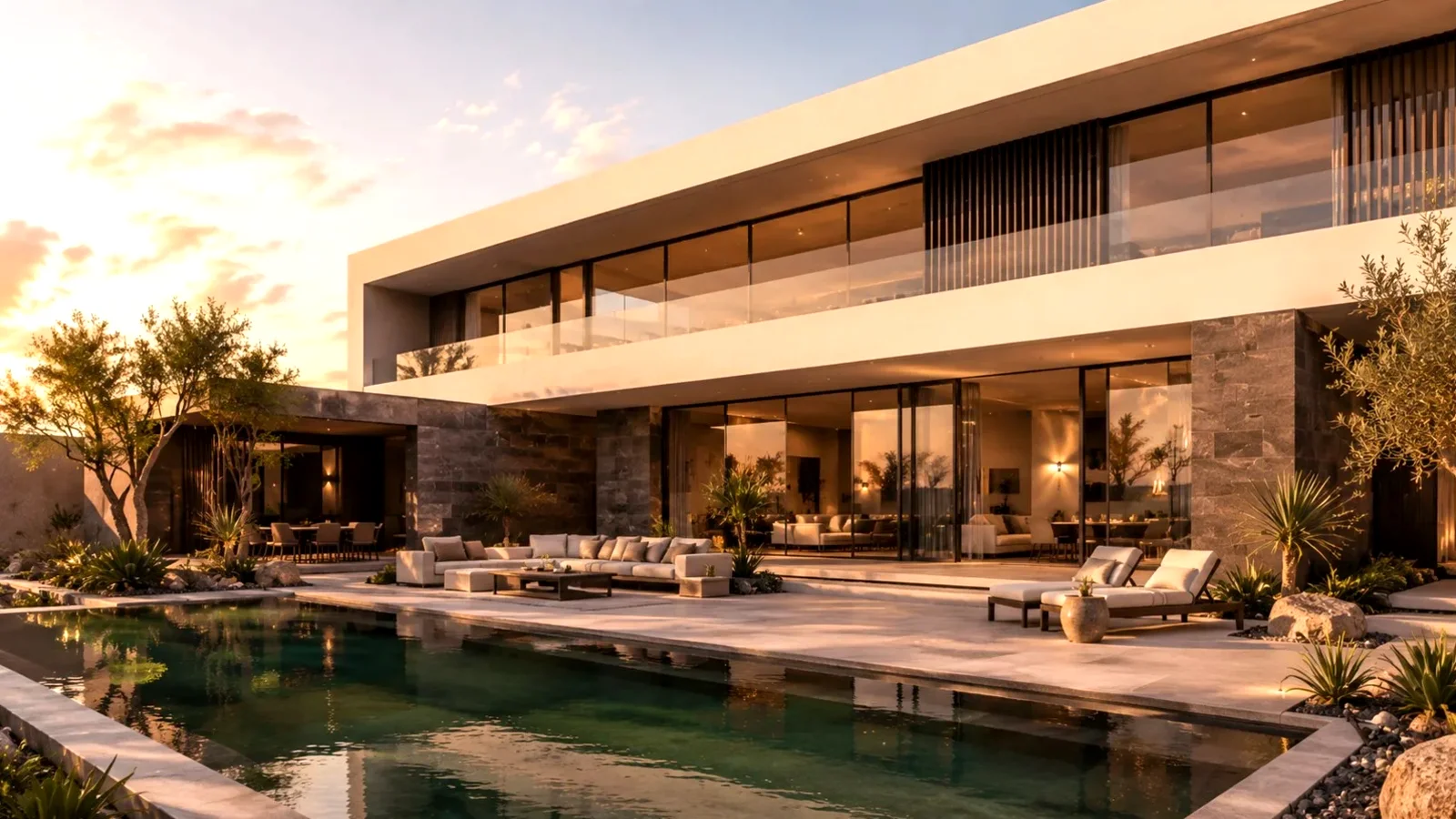
A conventional building site is sequential: the roof can only go on after the walls, the walls only after the foundations, and every stage depends on the weather and on the labour available. Modular construction breaks this linearity. While the plot is being prepared, the factory is already building the house. This simultaneity, combined with workshop quality control, eliminates downtime and secures the schedule.
Dakar's climate, a key factor
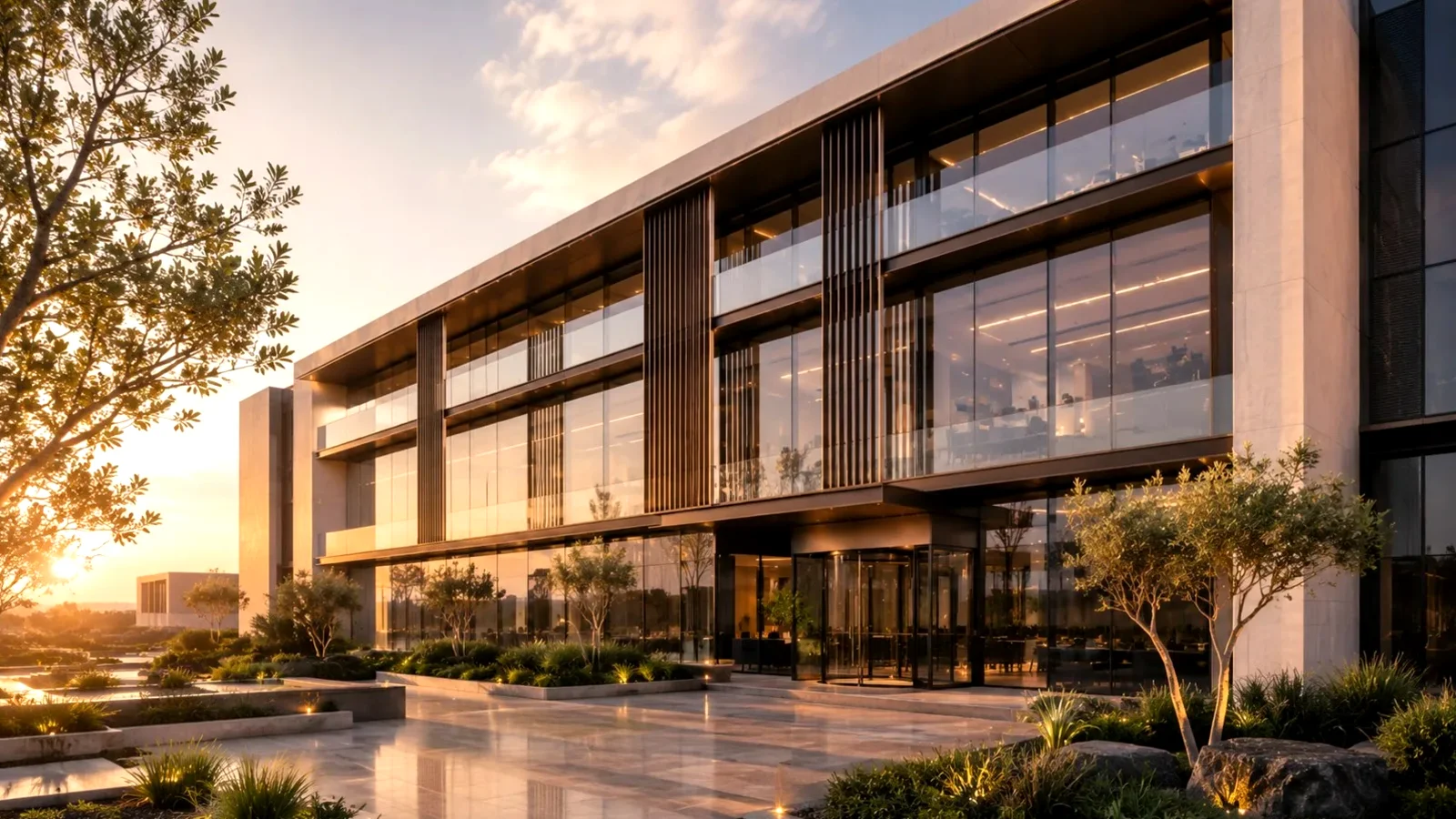
In Dakar, the rainy season (broadly July to October) can bring a traditional building site to a standstill for weeks. With modular construction, because most of the building is produced in the workshop, only the foundation and installation phases are exposed. The result: the schedule is far less vulnerable to bad weather — a decisive advantage for meeting deadlines.
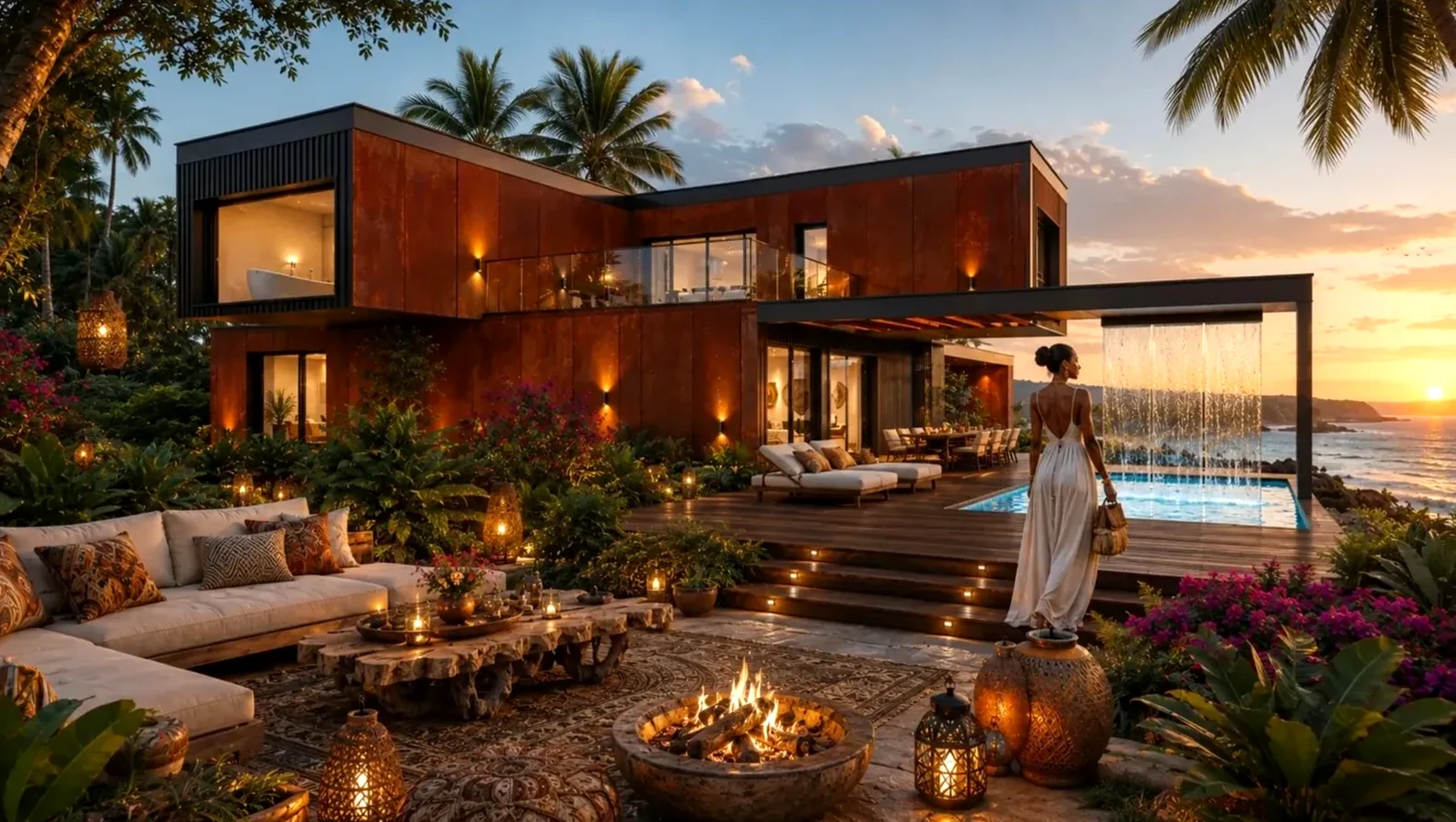
The SteelNest approach: speed in the service of excellence
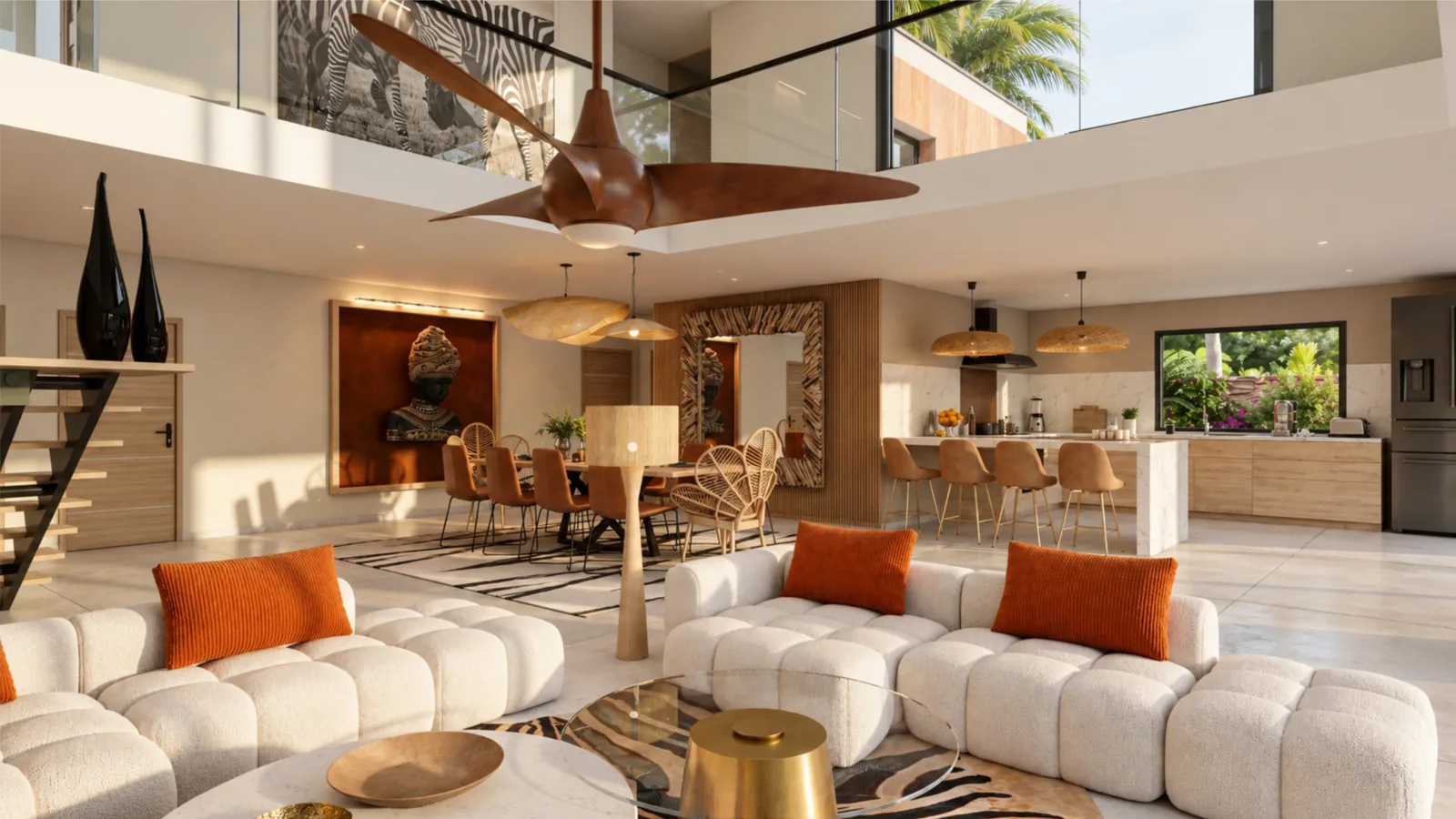
SteelNest industrialises construction without giving up a high-end architectural signature. Our building system is based on a library of standardised modules, prefabrication and digital modelling — which allows us to announce credible timelines and keep to them, from the first villa to a collective programme. You can therefore plan your move-in, your financing or your sales launch with a level of visibility that is rare in West African real estate.
Building fast and building well is no longer a compromise: it is at the heart of our model, which we set out in our Vision 2035.
Test your knowledge
One minute to check the key points of this article.
Question 1 / 3
How long does a high-end steel modular villa usually take?
Usually 4 to 8 months, compared with 12 to 24 months for an equivalent conventional build.
Question 2 / 3
While the foundations are built on site, what happens?
Workshop production and foundations move forward in parallel: that is what compresses the schedule.
Question 3 / 3
Why does the rainy season affect a modular project less?
Only the foundation and installation phases remain exposed to the weather.
Frequently asked questions
How long does it take to build a modular steel villa?
For a high-end modular steel villa, allow 4 to 8 months on average depending on size and finishes, compared with 12 to 24 months for an equivalent traditional build. The modules are fabricated in the workshop at the same time as the foundations are laid, which shortens the schedule.
Why is modular construction faster than traditional concrete?
Because the structure, the insulation, part of the services and some of the finishes are completed in the factory, under controlled conditions, while the foundations progress on site. This removes the downtime and weather risks of a sequential building site.
Does the rainy season delay the build?
Far less than with traditional construction: because most of the building is manufactured in the workshop, only the foundation and installation phases are exposed. Prefabrication reduces the impact of the rainy season on the schedule.
Does a faster build mean lower quality?
Quite the opposite: workshop quality control ensures tight tolerances and consistent finishes, whereas a conventional building site depends on the vagaries of the workforce. The speed comes from industrialisation, not from any compromise on quality.