
A turnkey villa is delivered to you through a single point of contact, from design to handover of the keys. With modular steel construction, the project follows six clear steps, a budget controlled from the design stage and a typical timeline of 4 to 8 months — without the site coordination that normally falls to you.
Contents
Building in Dakar can be a source of anxiety: slipping deadlines, budgets that spiral, uneven quality, and trades to coordinate yourself. The modular steel turnkey model answers precisely these concerns — by entrusting the entire project to a single partner, from plan to keys.
“Turnkey”: what does it really change?
In a turnkey project, you do not manage ten different contractors: a single point of contact takes responsibility for the design, the construction, the finishing and the utility connections. You approve, they deliver. At handover, you receive the keys to a completed property, inspected and ready to live in. It is the difference between enduring a building site and commissioning a result.
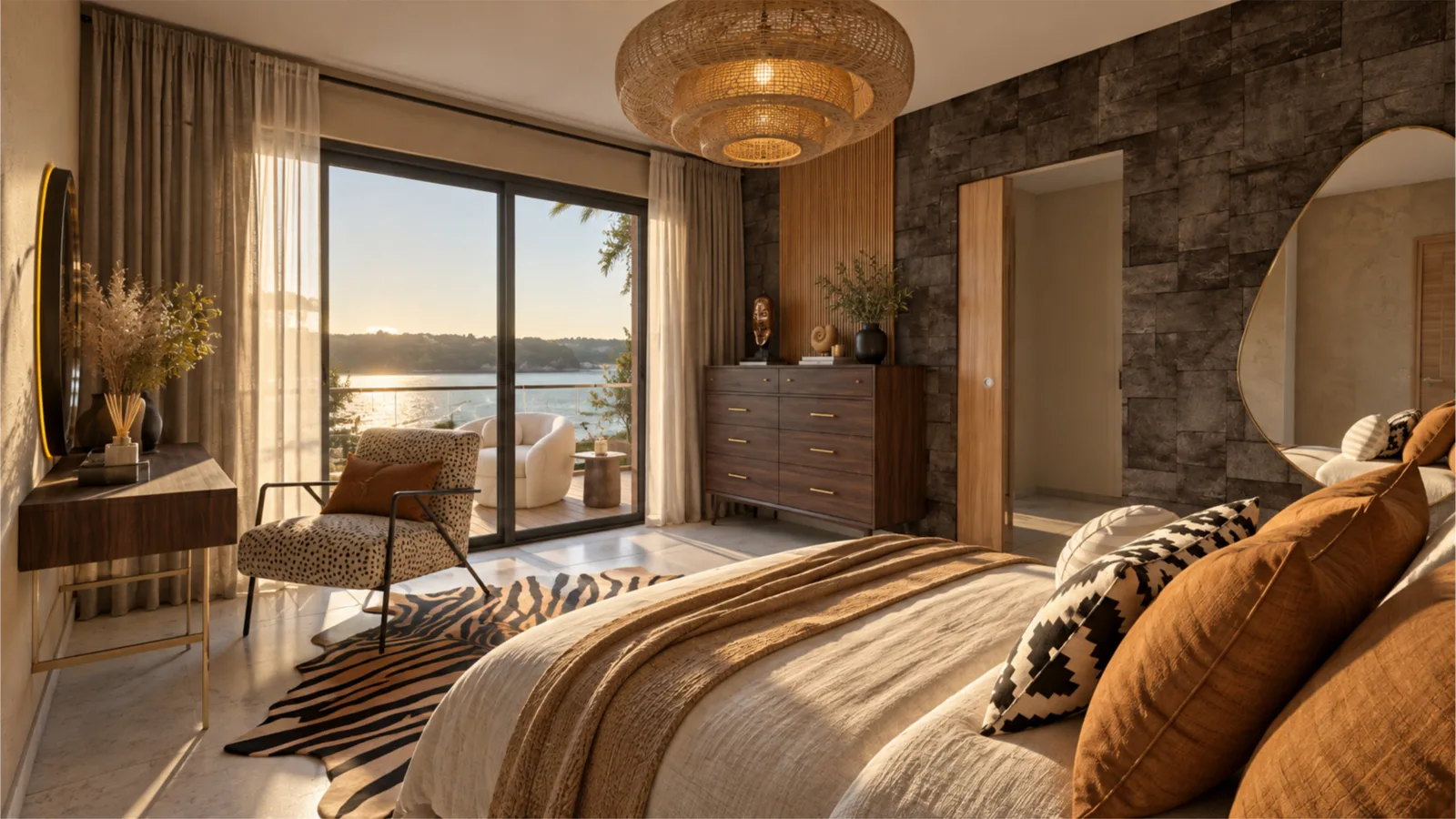
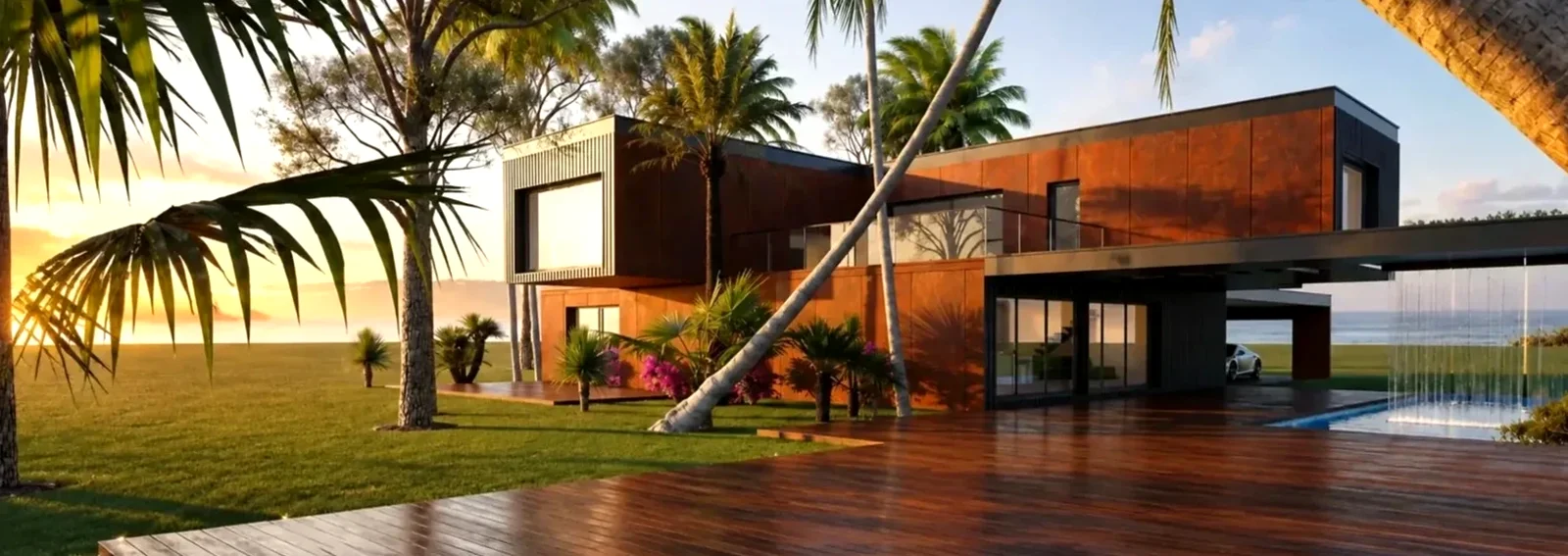
The 6 steps of a SteelNest project
- 1. Briefing — your needs, your lifestyle, your target budget and your plot.
- 2. Design — plans, digital model (BIM), choice of modules and finishes.
- 3. Quote & approval — a clear, detailed and binding estimate before work begins.
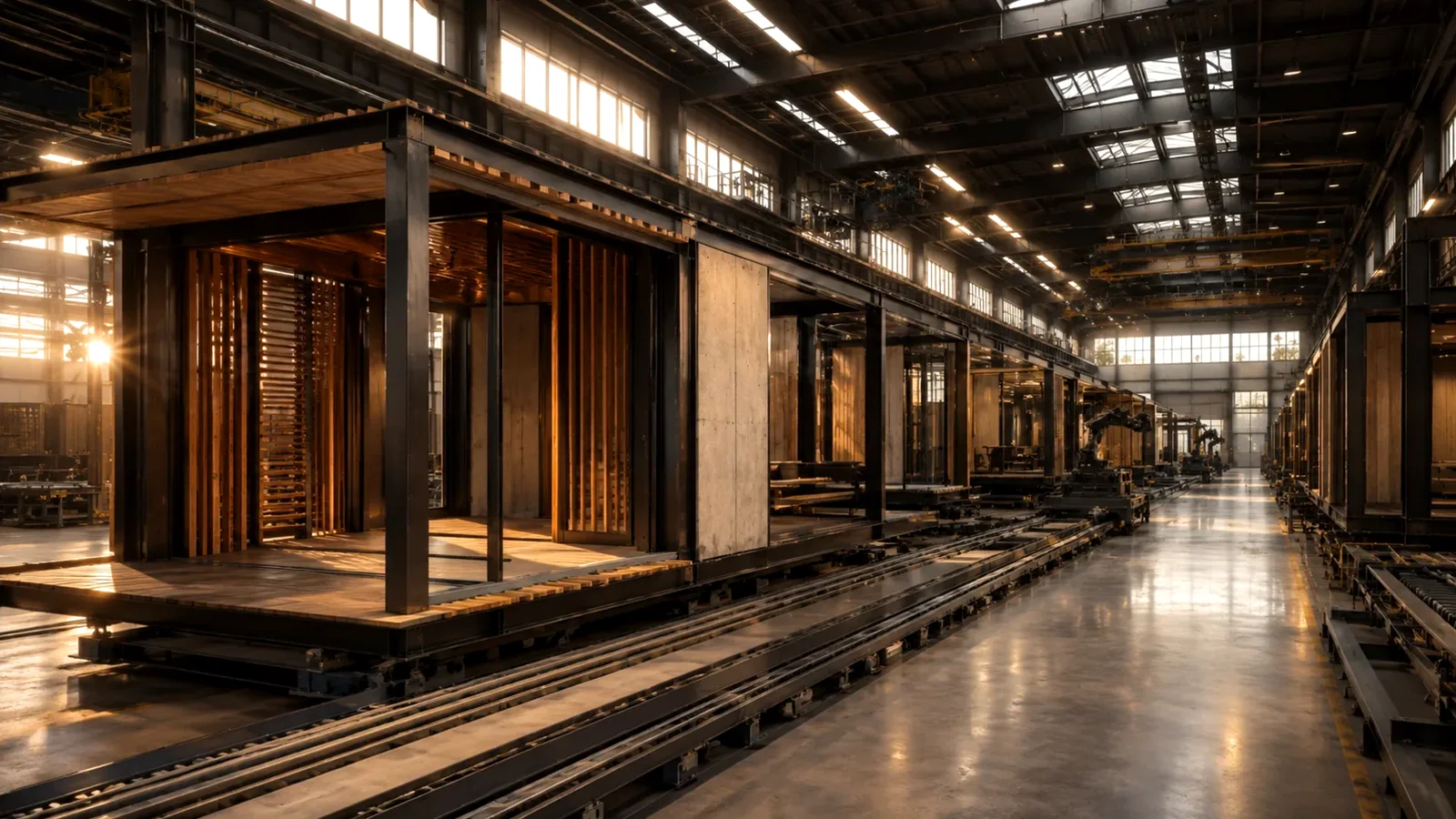
- 4. Fabrication & foundations (in parallel) — modules built in the workshop, the plot prepared on site.
- 5. Installation & finishing — rapid assembly, floor and wall finishes, joinery, fit-out.
- 6. Handover — quality checks, handover of the keys, after-sales support.
How the budget is built
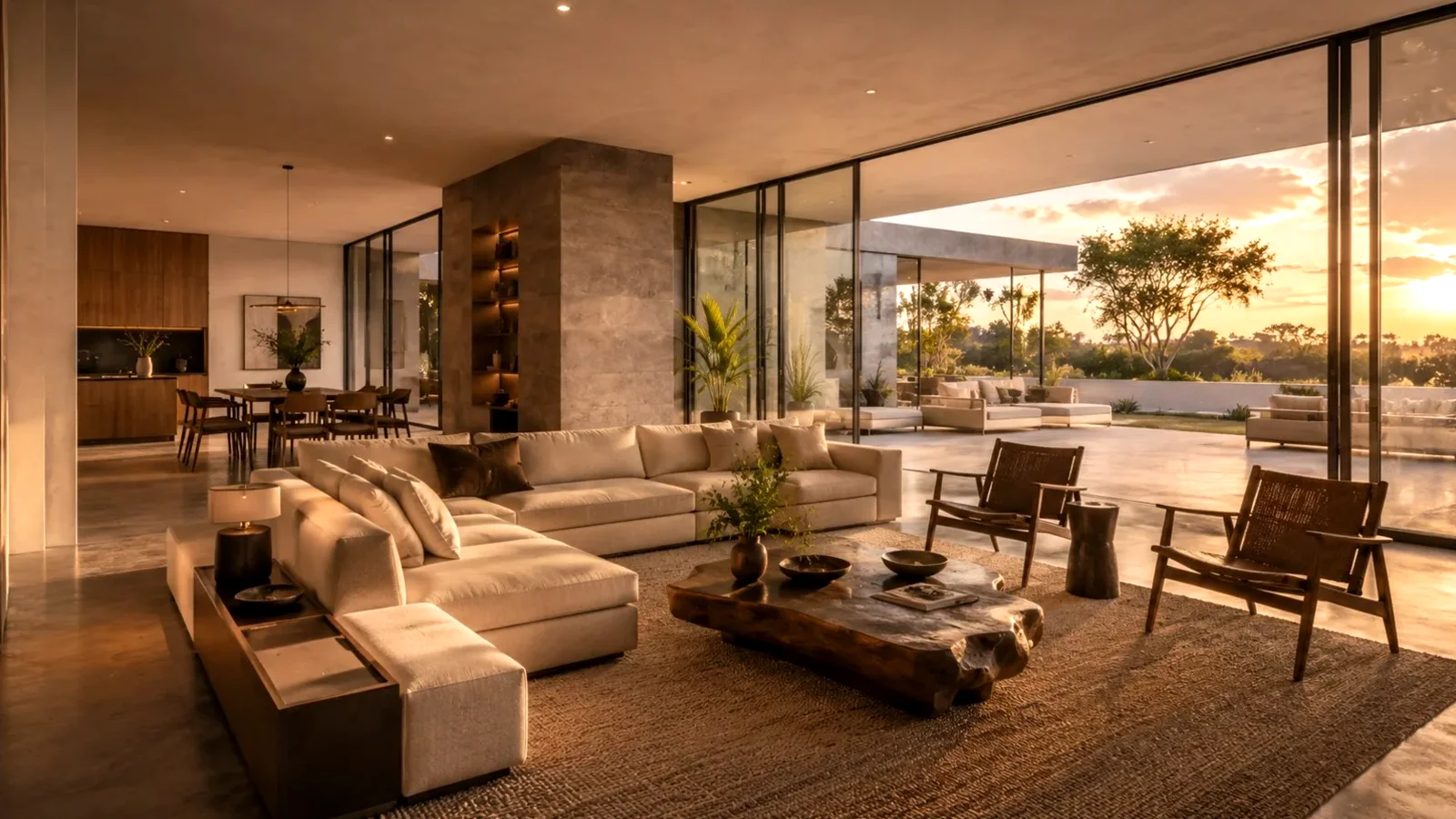
The budget for a villa depends on four levers: the floor area, the level of finishes, the plot and the equipment (kitchen, home automation, solar, pool…). The strength of modular construction is its transparency: because the modules are standardised and manufactured in the workshop, the quote is drawn up early and holds better over time — fewer surprises and fewer overruns than on a craft-built site.
Pitfalls to avoid
- The vague quote — insist on a detailed, line-by-line estimate before you sign.
- The poorly assessed plot — soil type, utility connections and access determine the real cost.
- Hidden “optional” finishes — be clear from the outset about what is included.
- No single point of contact — without a responsible lead, timelines and quality slip.
Why choose SteelNest for your turnkey villa
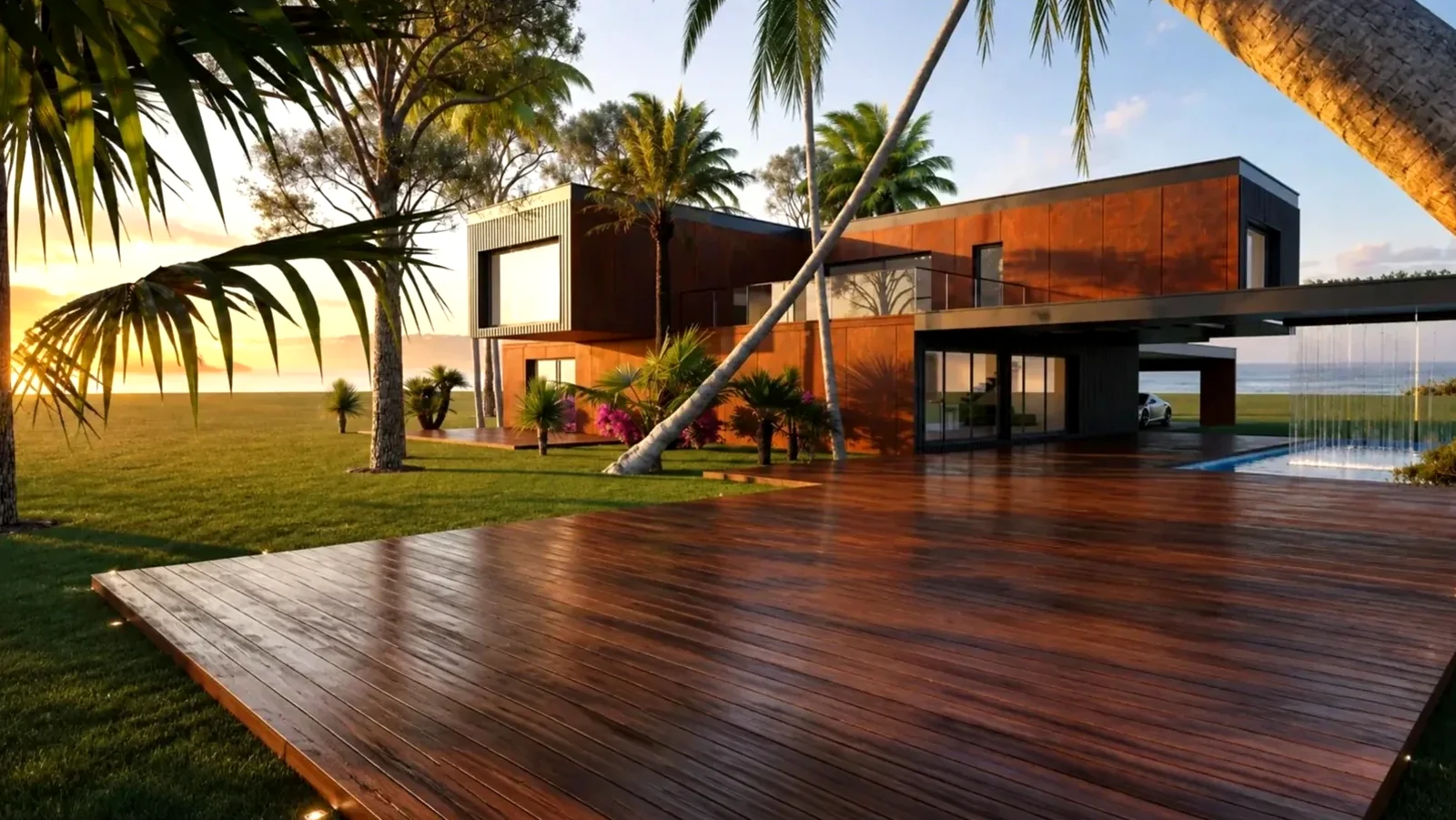
SteelNest combines the industrial rigour of modular construction with a high-end architectural signature, and a single point of contact from plan to keys. Our first villa demonstrates the standard of finish, and our Vision 2035 explains the model. You gain peace of mind: a transparent project, credible timelines and a result worthy of the best international standards.
Test your knowledge
One minute to check the key points of this article.
Question 1 / 3
What does "turnkey" mean?
You approve, they deliver: on handover you receive a finished, inspected home ready to live in.
Question 2 / 3
How many stages does a SteelNest project have?
Scoping, design, quote and approval, manufacturing and foundations, installation and finishes, handover.
Question 3 / 3
In a turnkey modular project, when is the price mostly set?
Standardised modules and workshop production: the quote is set early and holds better over time.
Frequently asked questions
What is a turnkey villa?
A turnkey villa is delivered through a single point of contact, from design to handover of the keys: they take charge of the design, the construction and the complete finishing. You receive the keys to a completed property, without having to coordinate the trades yourself.
What are the steps of a villa project in Dakar?
The main steps are: defining the brief and budget, study and design (plans, BIM), approval of the quote, workshop fabrication of the modules with foundations in parallel, installation and assembly, finishing, then delivery and handover of the keys.
How is the budget for a modular steel villa set?
The budget depends on the floor area, the level of finishes, the plot and the equipment. Industrialisation and the standardisation of modules make it possible to produce a clear, controlled quote from the design stage, with fewer surprises than a traditional building site.
Do I already need to own a plot of land?
It is preferable, but not essential to start planning. The programme, style and budget can be defined up front, then the project adapted to the constraints of the plot once it has been secured.